Commercial Real Estate Financing 2026: Complete Guide to Loans, Rates, and Approval

The commercial real estate financing landscape in 2026 continues to evolve with new opportunities for investors, business owners, and developers. Whether you are looking to purchase an office building, multifamily property, retail space, or industrial facility, understanding your financing options is essential for success.
In this comprehensive guide, we will explore the various commercial real estate financing options available in 2026, current interest rates, qualification requirements, and strategies to secure the best terms for your investment.
Types of Commercial Real Estate Financing
1. Conventional Commercial Loans
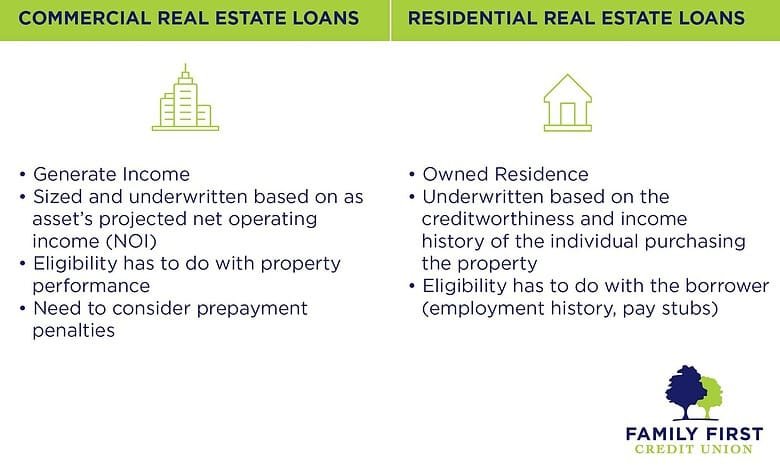
Traditional bank loans remain the most common form of commercial real estate financing. These loans typically require a 20-30% down payment and a strong credit profile. In 2026, conventional commercial loan rates range from 6.5% to 8.5% depending on the property type and borrower qualifications.

2. SBA Loans
The Small Business Administration offers two primary loan programs for commercial real estate:
- SBA 7(a) Loans: Up to $5 million for owner-occupied commercial real estate
- SBA 504 Loans: Up to $5.5 million for fixed assets including real estate
SBA loans offer competitive rates and longer terms, making them attractive for small business owners.
3. Hard Money Loans
Private hard money loans are ideal for investors who need quick financing or have unconventional credit situations. These short-term loans typically have higher interest rates (8-15%) but offer faster approval and flexible qualification criteria.
4. CMBS Loans
Commercial Mortgage-Backed Securities loans are pooled by investors and offer competitive rates for stabilized properties. These loans typically require a 25-30% down payment and strong cash flow metrics.
5. Portfolio Loans
Local banks and credit unions often hold their commercial loans in portfolio, allowing for more flexible underwriting. These lenders may accept properties that do not fit traditional lending criteria.
2026 Commercial Real Estate Interest Rates
Interest rates for commercial real estate loans in 2026 vary based on multiple factors:
| Loan Type | Typical Rate Range | Term Length |
|---|---|---|
| Conventional Bank Loan | 6.5% – 8.5% | 5-25 years |
| SBA 7(a) | Prime + 2.25% | 10-25 years |
| SBA 504 | 5.5% – 7.0% | 10-20 years |
| Hard Money | 8% – 15% | 6-36 months |
| CMBS | 6.25% – 7.75% | 5-10 years |
Commercial Real Estate Loan Requirements
Credit Score
Most conventional lenders require a minimum credit score of 680-720 for the best rates. SBA loans may accept scores as low as 640, while hard money lenders often work with scores as low as 550-600.
Debt Service Coverage Ratio (DSCR)
Lenders typically require a DSCR of 1.25 or higher, meaning the property must generate 25% more income than required to cover the loan payments.
Loan-to-Value (LTV)
Maximum LTV varies by property type:
- Office Buildings: 70-75% LTV
- Multifamily: 75-80% LTV
- Retail: 70-75% LTV
- Industrial: 75-80% LTV
Cash Flow Requirements
Borrowers must demonstrate strong cash flow with at least 6-12 months of reserves. Properties should have occupancy rates of 80% or higher for most financing options.
How to Qualify for Commercial Real Estate Financing
- Strengthen Your Credit Profile: Pay down existing debts and resolve any credit issues before applying.
- Prepare Financial Documentation: Gather 2-3 years of tax returns, profit and loss statements, and rent rolls.
- Calculate Your DSCR: Ensure your property meets the 1.25 minimum DSCR requirement.
- Save for a Larger Down Payment: A larger down payment improves your approval chances and interest rate.
- Work with a Commercial Lender: Partner with a lender who specializes in your property type.
Multifamily Lending in 2026
Multifamily properties continue to be one of the most popular commercial real estate investments. Government-sponsored enterprises (GSEs) have increased their lending caps by 20.5%, making multifamily financing more accessible than ever.
Fannie Mae and Freddie Mac offer attractive financing for multifamily properties with rates as low as 5.5% for qualified borrowers. These agencies also provide flexible underwriting for properties in emerging markets.
Commercial Real Estate Investment Strategies
Value-Add Investments
Investors can increase property value through renovations, improved management, or repositioning. These properties often qualify for higher leverage than stabilized assets.
Bridge Financing
Bridge loans provide short-term financing for properties awaiting stabilization or repositioning. These loans typically have higher rates but offer flexibility during transition periods.
Cash-Out Refinancing
Established properties can be refinanced to pull out equity for additional investments. Cash-out proceeds can fund down payments on new acquisitions or fund property improvements.
Finding the Right Commercial Lender
When searching for commercial real estate financing, consider:
- Lender specialization in your property type
- Competitive rates and terms
- Speed of approval and funding
- Flexibility in underwriting
- Customer service and communication
Conclusion
The commercial real estate financing market in 2026 offers diverse options for investors and business owners. By understanding the various loan products, interest rates, and qualification requirements, you can secure the best financing for your commercial property investment.
Whether you are purchasing your first commercial property or expanding your portfolio, working with an experienced commercial lender can help you navigate the financing process and achieve your investment goals.
For more information about commercial real estate financing options, visit Lender Tribune.